
Why Is Red the Main Color of the Root Chakra
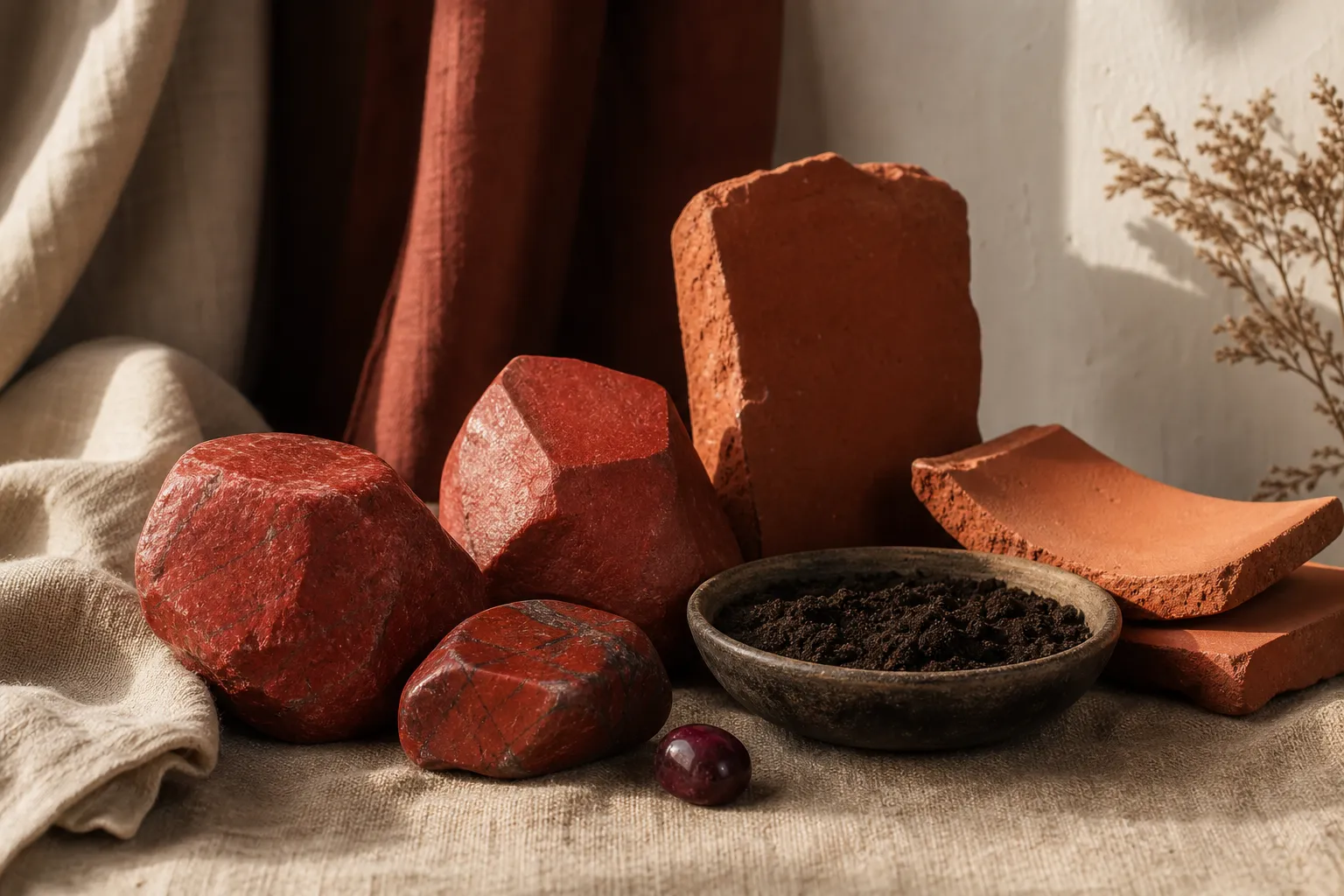
Red is the main color of the root chakra because many modern chakra systems use it as a visual symbol for foundation, physical presence, earth connection, survival imagery, vitality, and being rooted. If you are asking why is the root chakra red, the short answer is: red fits the way many practitioners describe the first chakra, or Muladhara, as the “base” point in a chakra map.
That does not mean red is an objectively measurable body color, or that red stones create a confirmed physical result. It means red has become the common root chakra color in modern yoga, meditation, and crystal-practice language because it feels direct, warm, dense, earthy, and body-oriented.
upward
Read the full overview first
Use the broader guide first if you need the full scope before this page.
Red Matches the “Base” Meaning of the Root Chakra
The root chakra is commonly called Muladhara and is usually introduced as the first chakra in many public-facing chakra systems. Chakras come from Indian religious and yogic contexts, though modern chakra charts, crystal shops, yoga studios, and meditation guides often present them in simplified, color-coded ways.
In that modern color map, the root chakra sits at the beginning of the sequence. It is usually described as the foundation: the point associated, symbolically, with being here, standing on the ground, having a base, and relating to basic stability. Red works well for that role because it is visually strong and hard to miss.
Many chakra writers and crystal practitioners connect the root chakra red color with ideas such as:
These are interpretive meanings, not measurements. A person may find the red symbolism useful in meditation, journaling, altar styling, or stone selection, but the color association belongs to cultural and belief-based practice language.
Why Red Instead of Green, Blue, or White?
Red is often chosen for the root chakra because it is the warmest and most forceful color in the usual seven-color chakra sequence. In common chakra charts, the colors often move from red at the base to orange, yellow, green, blue, indigo, and violet higher in the system. That order gives red the role of the lowest, densest, most body-linked color.
This is why the root chakra color meaning is different from the symbolism often given to blue-green stones such as aquamarine or amazonite. Blue and green are commonly used for calmer, more spacious, heart-related, or throat-related themes in modern crystal language. Red, by contrast, tends to say: start here, stand here, come back to the body, return to the foundation.
Color research can add one cautious background point: people do form repeated associations between colors and emotional tones, and red is often linked with intensity, warmth, urgency, or high-arousal meanings. That does not validate chakra effects. It simply helps explain why red can feel symbolically convincing in many settings.
Red also does not have one universal meaning. Depending on culture and context, it can suggest love, warning, celebration, power, heat, luck, anger, blood, or urgency. In root chakra practice, only part of that wide symbolic range is being used: the part that feels earthy, vital, immediate, and foundational.
Symbolic Color Is Not a Literal Body Claim
A chakra chart can look very fixed: red at the bottom, violet at the top, neat labels in between. It is easy to read that as if the chart were describing a physical system with testable colors. A more careful reading is simpler: chakra colors are symbolic tools used in spiritual, meditative, and personal-practice contexts.
Saying “red is the root chakra’s symbolic color” is a fair description of much modern chakra language. Saying red controls a physical function, changes a health condition, or gives a reliable outcome would go beyond what this kind of source material can support.
Careful wording: In many modern chakra and crystal-practice traditions, red is associated with the root chakra because it represents foundation, earth connection, survival symbolism, physical presence, and vitality.
Too strong: Red directly changes the body, solves emotional states, or shows that the root chakra is working in a specific way.
This also keeps the phrase “what is the root chakra responsible for?” in the right lane. In symbolic chakra language, the root chakra is often associated with foundation, security, groundedness, and basic life stability. It should not be presented as a literal controller of organs, glands, mood, sleep, digestion, or other health outcomes.
How Red Stones Became Part of the Root Chakra Theme
For crystal readers, the red color question often leads straight to stones. If the root chakra is shown as red, then red stones naturally become common choices in root chakra-themed displays, meditation spaces, pocket stones, and bracelets.
Two common examples are:
Red jasper
Usually opaque, earthy red, brick red, or reddish brown. In crystal-practice language, red jasper is often associated with the root chakra because its color looks dense, grounded, and soil-like.
Garnet
Often deep red to wine red, sometimes with a darker, glassier look. Garnet is commonly paired with root chakra symbolism because its rich red tone fits themes of warmth, vitality, and embodied presence.
These examples are visual and symbolic. Someone might choose red jasper or garnet because the stone’s appearance matches the red chakra meaning they want to work with in a personal ritual. That is different from saying the stone is required, or that it produces a specific result.
You may also see black stones for grounding in root chakra retail language. Black onyx, hematite, lava stone, and similar dark stones are often described in shops and practitioner spaces as grounding stones. Their connection is usually made through visual symbolism: black suggests weight, earth, depth, and stillness. So red is the main color in the standard chakra chart, but it is not the only color people use around root chakra themes.
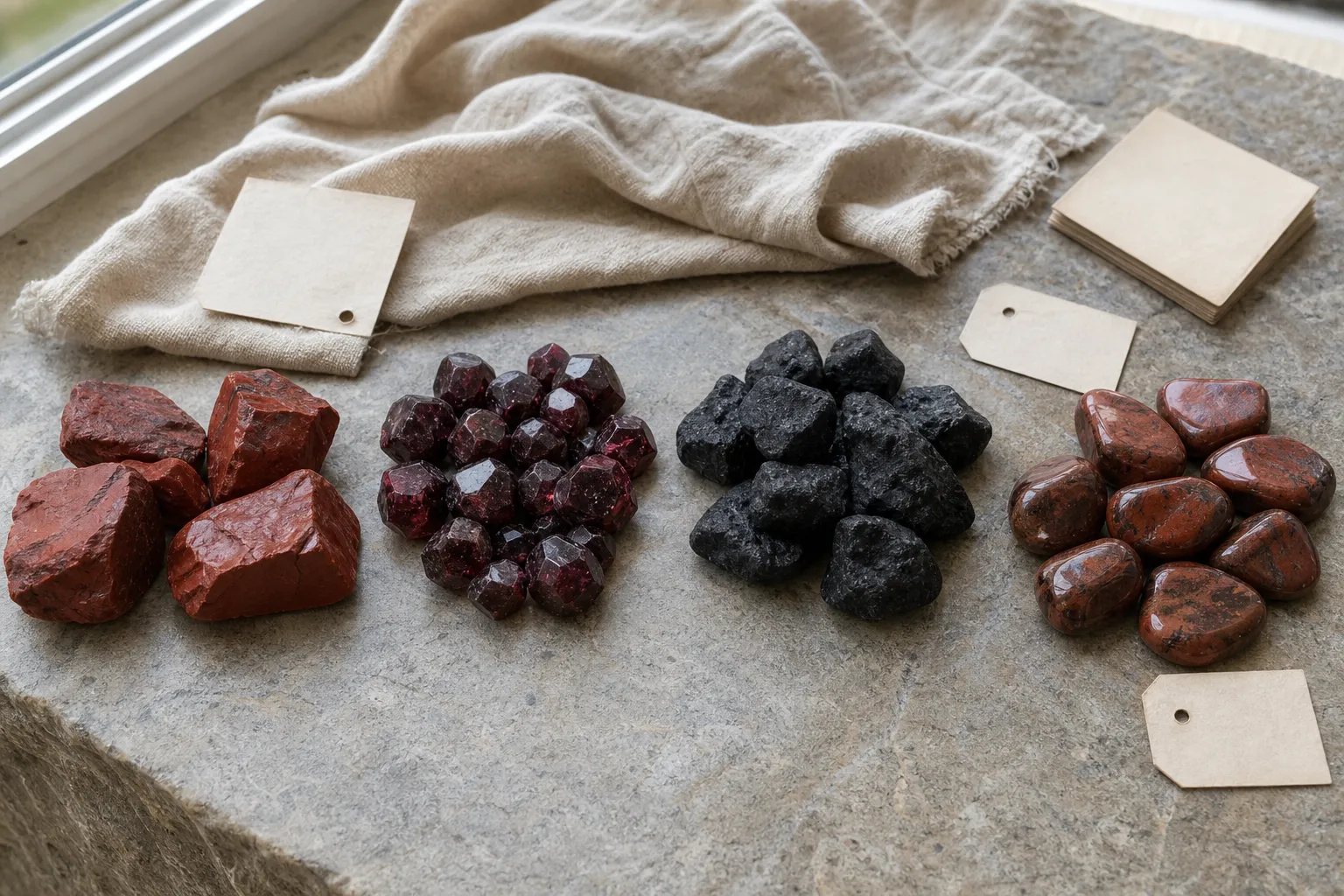
How stone colors are commonly read in root chakra symbolism
Red
Matches the classic root chakra color and themes of vitality, foundation, and physical presence.
Dark red or burgundy
Feels deeper, heavier, and less bright than vivid red.
Black or charcoal
Often used for grounding symbolism, weight, and stillness.
Reddish brown
Bridges red vitality with earth-toned stability.
None of these choices is mandatory. They are ways of making an abstract chakra color easier to see, hold, and work with as a personal symbol.
Common Misunderstandings About the Root Chakra Red Color
One common misunderstanding is that red must be the root chakra color because red has a single universal meaning. It does not. The root chakra use of red is one symbolic reading among many possible cultural readings of the color.
Another confusion is the phrase “blocked root chakra.” You may see this wording in modern wellness and crystal content, often followed by lists of physical or emotional signs. For this page’s purpose, it is better to treat that phrase as practitioner or retail language rather than a factual assessment. If someone uses it personally, they may mean they feel unsettled, ungrounded, or disconnected from routine. That is not the same as confirming a measurable condition.
A third confusion is thinking that red stones are more “correct” than every other option. Red stones match the classic color map, so they are easy to understand. But many practitioners also use black, brown, smoky, or dark red stones when the theme is grounding or earth connection. The symbolic family is broader than red alone.
When the Answer Changes
The answer shifts depending on the source or practice system.
In a simplified modern chakra chart, the answer is straightforward: the root chakra is red because red has become the standard symbolic color for the first chakra and its foundation themes.
In a historical or religious-studies context, the answer is less tidy. Chakra concepts have developed across different texts, schools, translations, and modern reinterpretations. A single modern color chart should not be treated as the only possible version of the tradition.
In crystal retail language, the answer becomes more practical and visual. Red helps shoppers and beginners quickly connect red jasper, garnet, and similar stones with root chakra themes. That can be a useful learning shortcut, but it is not independent evidence of an effect.
So the most accurate answer is: red is the main root chakra color in many modern systems because it is a strong symbolic match for foundation, earth, life, warmth, and physical presence. The association is widely used, but it remains symbolic.
A Grounded Way to Use the Color Idea
If you find the red symbolism helpful, keep it simple. You might place a red jasper on a desk, hold a garnet during a quiet moment, or use a red object as a visual reminder of steadiness and presence. The value is in the meaning you assign and the attention you bring to it, not in treating the color as a confirmed mechanism.
If red feels too intense, a darker stone or an earth-toned piece may fit the same root chakra foundation meaning in a quieter way. If you prefer blue-green stones such as amazonite, aquamarine, or lapis lazuli, they can still be part of your personal collection; they just carry different common color associations in most chakra charts.
The root chakra is red because red has become the clearest visual language for the first chakra’s base-level symbolism: rootedness, earth, body, warmth, vitality, and foundation. Read that as tradition-informed symbolism, not as a rule that every person, stone, or practice must follow.